Tufting Swatch Calculator: Measure Your Yarn Use
Measure the yarn your own setup consumes, then scale that measurement to the area you plan to tuft. Use this calculator after choosing your yarn, strand count, and machine settings. The sample values below illustrate the calculation; they are not results from a rug we made.
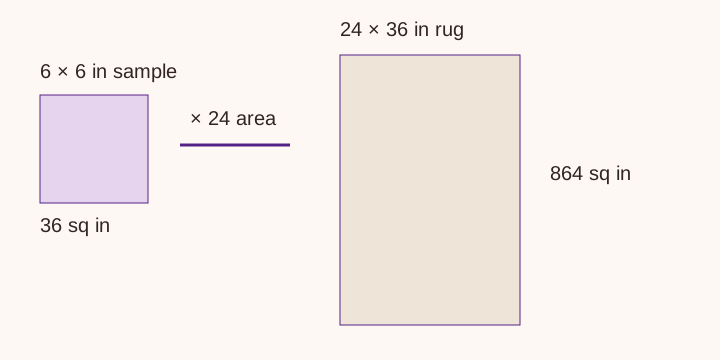
Measure the sample before scaling it
Weigh every cone or ball that will feed the test. Write down the combined starting weight. Tuft a measured rectangle using the settings you intend to keep, then weigh the same cones again. Subtract the remaining weight from the starting weight. If two strands feed from two cones, include both cones in both weighings. Do not multiply the answer by two afterward.
Measure the area you filled, not the size of the scrap backing. Keep adhesive, secondary backing, and the frame out of the yarn measurement. Collect loose yarn separately if you want to distinguish pile consumption from test waste. A scale that rounds to whole grams may introduce substantial error in a tiny sample, so use a sample large enough for a meaningful change in weight.
Formula and worked calculation
Grams per square inch = yarn consumed ÷ (sample width × sample height). Base project grams = that rate × rug width × rug height. Planned grams = base grams × (1 + allowance ÷ 100).
In this illustrative example, a 6 × 6 inch sample consumes 60 g. Its area is 36 square inches, giving 1.6667 g per square inch. A 24 × 36 inch rug has 864 square inches, or 24 sample areas. The base estimate is 1,440 g. Adding the selected 15% allowance gives 1,656 g. The calculator keeps precision through the arithmetic and rounds only the displayed result.
Choose a sample that represents the rug
A solid block helps you measure a consistent fill. A design with narrow outlines, frequent stops, or carving may consume yarn differently. Make a second sample for that type of detail and compare the rates. If you test two samples at 60 g and 72 g for the same area, the second rate is 20% higher. That spread is a reason to revisit your settings or keep a wider purchasing allowance.
Keep a note of pile height, machine mode, row spacing, yarn identity, and strands. Change one of these and the old rate may stop representing your work. A swatch measures a setup, not a universal property of wool or acrylic. Use the project record to save the context with the number.
Apply the allowance once
The calculator applies an allowance to the base project total. Choose it for the uncertainty in your sample and the extra yarn you expect to lose through mistakes or finishing. Fifteen percent is the example setting, not a promise that it will cover every project. If your starting estimate already includes waste, enter zero here or remove that earlier allowance.
The result is total yarn across all colors. Use the cone calculator to split that total into shopping quantities. Enter zero additional allowance there if you already included one here. Round each color to the package you can buy, rather than rounding the whole rug and assuming the colors will divide neatly.
Limits and source context
This model assumes the rug and sample use the same rate over their tufted areas. It does not predict differences in technique, yarn loss, or design density. For an irregular outline, use the area you plan to fill rather than treating its empty corners as yarn-bearing surface. The rectangular inputs here deliberately keep that assumption visible.
Tuft the World's yarn guidance describes consumption as dependent on the setup. The equations and example above are our own area-scaling calculation, not a supplier test result or a validated consumption benchmark. For a quick starting estimate without a sample, use the image yarn calculator and review its assumptions.